Every year, when Giving Tuesday arrives, many organizations see a spike in donations. But what’s driving that surge? Why are people more inclined to donate or support causes on this specific day? While Giving Tuesday is a widely recognized day of generosity, there’s a psychological factor at play — social influence.
Research from the Greater Good Science Center at the University of California, Berkeley, explains that generosity is “contagious” within social networks. When supporters see others donating, volunteering, or engaging with a cause, they are more likely to do the same. This is known as social proof — the psychological phenomenon where people follow the behavior of others, especially in situations where they are uncertain about what to do.
We’re taking a closer look at how social influence shapes generosity on Giving Tuesday and how organizations can use this powerful motivation to amplify their message with Mobile Commons.
1. Social Proof: The Power of Collective Action
Social proof is one of the most powerful psychological triggers. When people see their peers, influencers, or brands they admire supporting a cause, they feel a stronger impulse to follow suit. Giving Tuesday exemplifies this — the flood of social media posts, emails, and advertisements from various organizations encouraging donations, makes it feel like a collective effort. This creates a sense of belonging, where folks know that their contributions are part of a movement.
Mobile Commons tools like mCommons and Waterfall, can harness the power of social proof by facilitating real-time, mobile-based campaigns. Through mobile messaging, you can update your supporters on how much has been raised, how close you are to a goal, and who’s already contributed – by area code, state, or as a whole. Showcasing these achievements will build a ripple effect that encourages others to act.
EXAMPLE: “250 donors have helped us raise 50% of our Giving Tuesday goal! Let’s keep it going! Will you be donor #251 and help us reach 100%? Text GIVE to 662266”
2. The Feel-Good Factor: Giving Makes Us Feel Good
There’s a powerful emotional component to giving — often referred to as the “helper’s high.” Financially supporting a cause that matters and needs “all hands on deck” to make a difference — triggers the release of feel-good chemicals associated with happiness and social bonding.
Giving Tuesday has become a day where supporters can feel that rush of generosity, and the more they see their peers giving, the stronger that impulse becomes.
By using SMS for giving campaigns, you can immediately connect donors with the positive emotions of the act. mCommons lets you personalize messages, showing donors exactly how their contributions are making an impact. Texts that say “You’ve just helped feed 10 families this holiday season” create a stronger emotional bond and motivate continued giving.
3. Reciprocity: The Need to Give Back
Another powerful driver of generosity is reciprocity.
An organization’s audience is more likely to donate when they feel like they’re part of a cycle of giving. When a nonprofit shows appreciation for past donations, it prompts a sense of reciprocity, encouraging further giving. Reciprocity works best when it’s framed around gratitude and the desire to “pay it forward.”
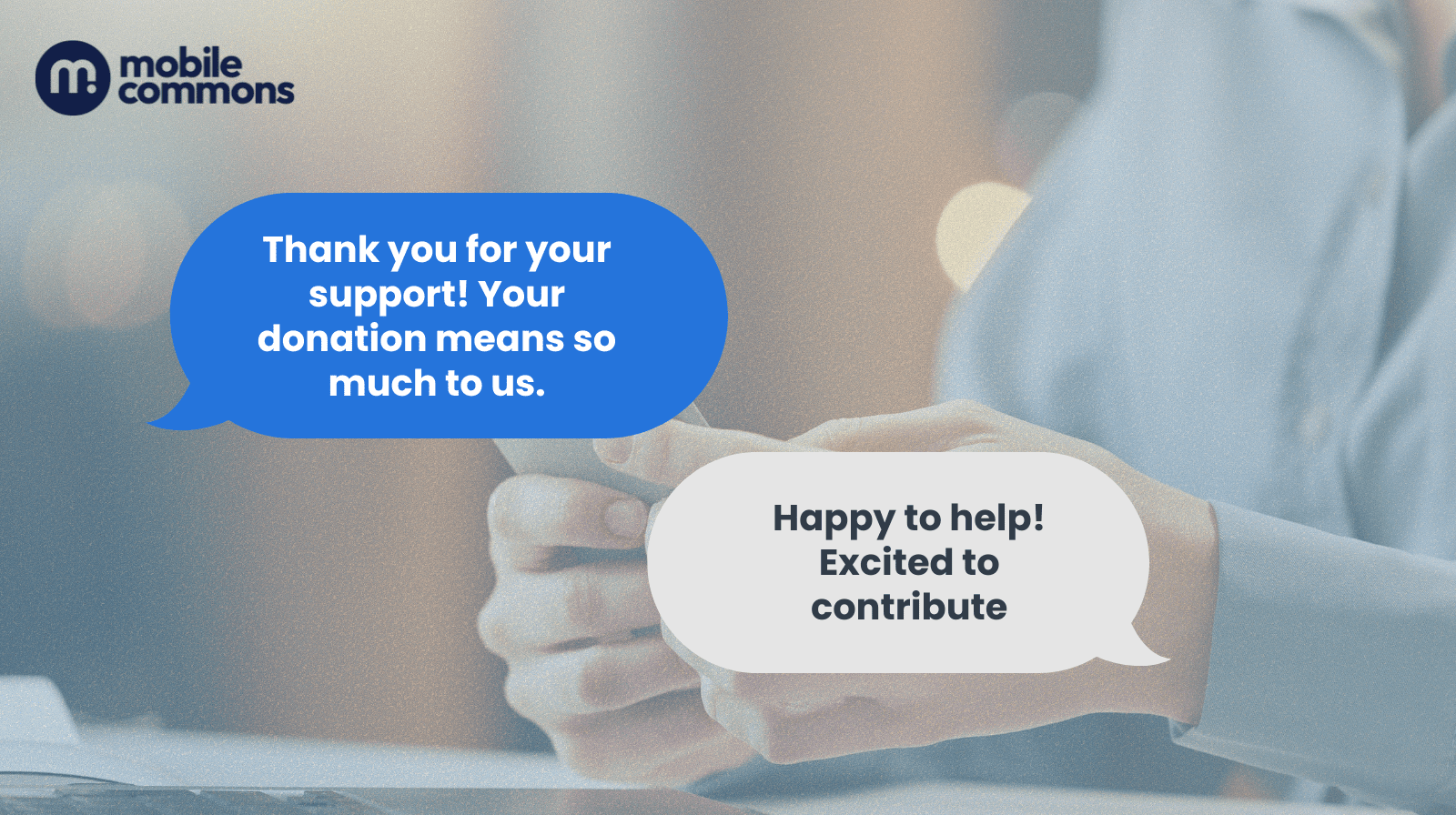
Through personalized thank-you messages, mCommons can help organizations create a strong sense of reciprocity. Sending messages like “Thank you for your past support — will you help us again this Giving Tuesday?”
4. How Social Proof Drives Long-Term Engagement
While Giving Tuesday is a peak day for generosity, social influence can have a long-term impact beyond just one day.
By using mobile messaging to keep supporters engaged throughout the holiday season and into the new year, organizations can continue to build relationships and create a culture of continuous giving.
People are more likely to engage with causes that resonate with their values and where they feel part of a community. Giving Tuesday is just the beginning of building a lasting relationship with donors. Using social proof throughout the campaign helps keep momentum going beyond the event itself.
Make sure communication is ongoing so supporters can receive updates on the impact of their donation. By continuing to engage donors through text messages, you maintain the sense of community and encourage year-round support.
The psychology behind Giving Tuesday is rooted in social influence around social impact — humans are naturally driven by the actions and behaviors of others – especially those that make them feel good!
By understanding this psychological factor and leveraging mCommons’ mobile engagement tools, nonprofits can effectively tap into the collective generosity of supporters on Giving Tuesday and throughout the holiday season.
This Giving Tuesday, focus on creating a sense of community and urgency through mobile messaging to inspire action, build trust, and drive sustained support for your cause.